
Safety & boundaries
Online dating safety in Ghana: a first-meeting plan
Plan a public first meeting in Ghana, protect your information, set Mobile Money boundaries and find the CSA reporting route if something goes wrong.

Online dating safety in Ghana starts with protecting your private information, keeping money out of new online relationships and planning a public first meeting you can leave independently. Tell a trusted person where you're going and arrange your own way home. Shared Christian faith can guide a conversation, but it does not establish someone's identity or guarantee safe conduct.
Online dating safety before you share your number
Keep early conversations on the service where you met, if it offers messaging and reporting. You can decline a move to WhatsApp until you're comfortable sharing your number. Review who can see your profile photo, status and other account details before adding someone new.
Share interests and general location rather than your home address, exact work schedule or details that reveal when you're alone. Don't send identity documents, bank information, passwords, Mobile Money PINs or one-time codes. You don't need to disclose these to prove that you're serious about marriage.
Ghana's Cyber Security Authority guidance on romance scams recommends taking things slowly, watching for inconsistent stories and avoiding intimate photographs that could be used for extortion. It also warns about repeated cancelled meetings and pressure to move away from the dating service quickly.
A video conversation can help you get to know someone, but it is not identity verification. A reverse-image search may reveal a stolen profile photo; finding no other use of the photo doesn't establish that the person is genuine.
Keep Mobile Money out of a new online romance
Don't send money to someone you know only online, including for transport, a medical emergency, a business opportunity or a promised visit. The CSA warns that romance scammers use emotional connection to seek money, gifts and personal details.
Say: “I don't send money to people I've only met online. If we're going to meet, let's choose a place we can each reach ourselves.”
If someone asks you to receive money and forward it elsewhere, decline. If they respond to your boundary with anger, guilt or religious pressure, stop the conversation. An urgent request is a reason to pause, not to bypass your usual checks.
Make a first-meeting plan you control
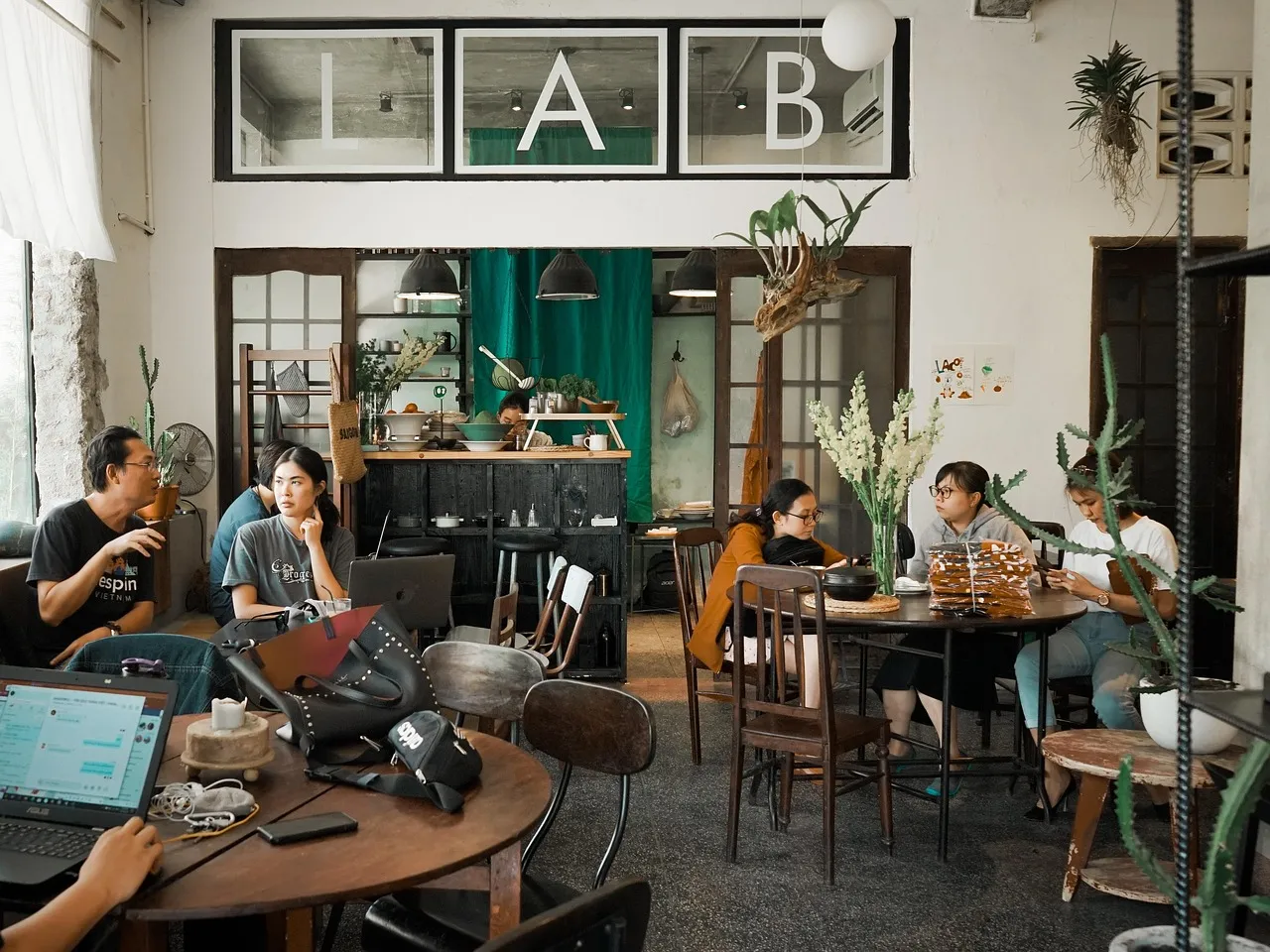
Choose a staffed, busy public place during its open hours: a café, restaurant or another venue where other people will be present. A familiar area with a clear transport route is more useful than an impressive but isolated setting.
Before you leave:
- Agree on the venue and a finish time. Decline a last-minute switch to a home, hotel room or secluded location.
- Tell a trusted friend or relative the person's name or profile, the meeting location and when you expect to check in. Share only what's needed for the plan.
- Arrange your own journey there and back. Keep enough money for the return trip, separate from what you plan to spend at the venue.
- Charge your phone and have a backup plan if data, battery or transport fails.
- Decide on a simple check-in message, such as “I'm home,” and what your trusted person should do if they cannot reach you.
For example, say you're meeting at a café in Accra on Saturday afternoon. You agree to arrive at 2 pm, leave around 3 pm and message your sister by 3:30 pm. If the person suggests moving to their flat, you can say, “I'm staying here today. We can plan another public meeting if we both want to.” These times are a planning example, not a safety guarantee.
Leave when a boundary is ignored
You can decline physical contact, photographs, alcohol, a lift or a second venue without explaining your history or beliefs. Keep your drink and belongings with you. If you feel uncomfortable, move towards staff or other people and leave; you don't owe someone the rest of the date.
A useful sentence is: “I'm ending the meeting now. Please don't follow me.” If saying that directly would increase the risk, focus on getting help and reaching a safer place instead.
If you suspect a scam or receive threats
Stop sending money or private material. Preserve relevant messages, profile details and transaction receipts, then use the dating service's reporting and blocking tools. Don't circulate intimate images to friends as evidence.
If money has been sent, contact your bank or Mobile Money provider through its official support channel promptly. Ask what action is possible; recovery is not assured. For cyber incidents in Ghana, the CSA incident-reporting page lists its form, call or SMS short code 292, and report@csa.gov.gh. If you face immediate physical danger, seek urgent local emergency help rather than waiting for an online report.
Being deceived is not a failure of faith or intelligence. Ask someone you trust to support you through the next steps.
After a first meeting, choose your pace
If you both want to keep getting to know each other, our guide to intentional Christian dating without rushing offers words for agreeing on the next step. As the relationship develops, use these questions about shared faith and values before marriage to discuss the life you each hope to build.
Ask about connection with care
Avanti Faith's safety guidance explains our approach to boundaries and personal information. Our current offer is a public introduction and a free conversation with the team; profiles and matchmaking are not live yet. You can ask about Avanti Faith or email contact our team, without sending identity documents or financial details.